
Welcoming an aging parent back into the family home is a profound transition that merges deep familial love with complex logistical realities. As our parents age, the spaces they once occupied can become isolating or hazardous, prompting families to reconsider their living arrangements. Bringing a parent into your household is a beautiful way to ensure their safety, preserve their dignity, and enrich multi-generational family bonds. However, a successful transition rarely happens by accident. It requires moving past emotional assumptions and embracing a proactive, structured approach to property modification and long-term care integration.
Many families make the mistake of waiting for an unexpected health crisis before altering their living spaces. Rushing into emergency renovations while simultaneously managing hospital discharges is an incredibly stressful endeavor that frequently leads to compromised layouts and inflated construction costs. By treating the expansion of your home as a strategic, forward-looking architectural project, you can design an environment that balances your parents’ need for independent autonomy with the physical realities of their evolving mobility.
Navigating Financial Logistics and Structural Feasibility
Before moving a single shovel of dirt or tearing down an interior partition wall, you must determine the architectural feasibility and financial parameters of your proposed expansion. Every residential neighborhood is governed by a strict matrix of local zoning laws, municipal setbacks, and neighborhood covenant restrictions that dictate exactly how far you can extend your home’s physical footprint. Early in your brainstorming phase, schedule a meeting with your local building department to explore the specific permitting pathways for constructing attached additions or detached Accessory Dwelling Units (ADUs).
Once you establish what the local laws allow, you must evaluate the existing structural integrity and foundational footprint of your property. Homeowners must choose whether a lateral bump-out extension, a vertical second-story addition, or the conversion of an attached garage yields the most practical layout for an aging individual. For elderly occupants, a ground-level suite with zero-step entryways is always the clinical gold standard, making garage conversions or backyard bump-outs the most heavily favored options.
Funding a construction project of this magnitude requires a clear capitalization strategy. Homeowners should avoid draining their liquid emergency reserves and instead schedule consultations with an experienced mortgage lender to analyze financing vehicles like Home Equity Lines of Credit (HELOCs), cash-out refinances, or specialized renovation loans. A qualified specialist can help you leverage your existing home equity to secure competitive, long-term interest rates that keep your monthly payments manageable.
With your funding secured, you must perform a cold, analytical cost-benefit comparison regarding your real estate footprint. You need to weigh whether spending significant capital on retrofitting your current space is truly a smarter long-term financial decision than completely selling the property and browsing the local inventory of pre-existing single-story properties or investing directly in customized new home construction options.
Choosing Quick-Build Structural Solutions and Safe Site Clearing
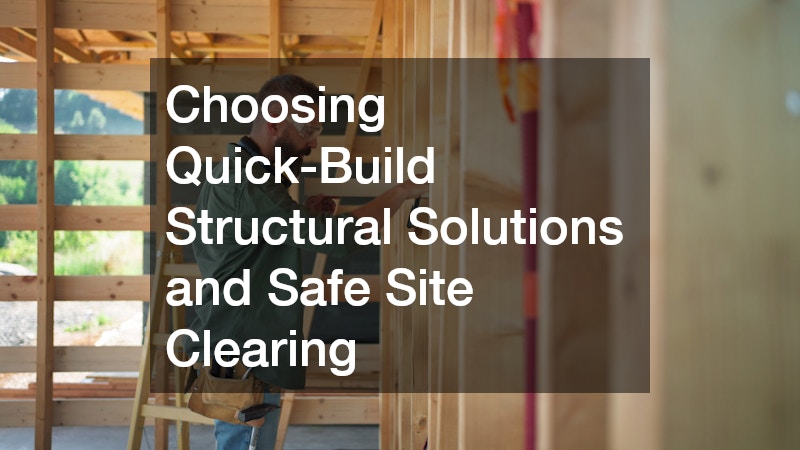
If relocating is off the table and you decide to build on your existing lot, your next major decision centers on the construction methodology itself. Traditional stick-built additions, where raw lumber is framed entirely on-site, can expose your household to months of disruptive hammering, drywall dust, weather delays, and a constant stream of subcontractors traversing your property. This extended timeline can be incredibly hard on a family’s daily sanity, particularly if you are already managing your parents’ shifting health needs.
To bypass these lengthy on-site disruptions, an increasing number of homeowners are turning toward advanced, off-site prefabrication methods. Touring factory showrooms that specialize in precision-engineered modular homes or independent parental pods allows you to select fully customized, universally accessible layouts that are built in a controlled indoor environment. These prefabricated suites are delivered to your property via flatbed trailers and hoisted onto your prepared foundation by a crane in a matter of days. This accelerated timeline compresses the most intrusive phases of construction, allowing you to tie the new structure’s plumbing, electrical, and HVAC lines directly into your main house’s core utilities with minimal downtime.
Regardless of whether you choose a modular build or a traditional stick-built addition, the initial site preparation phase will generate an immense amount of physical debris and structural waste. Tearing away old siding, breaking up concrete walkways, and digging out new footings requires a dedicated on-site waste management plan. Property owners must work closely with their general contractors to safely lease a heavy-duty construction dumpster and place it strategically on the driveway.
-
Protect your driveway surfaces: Always place thick sheets of plywood or heavy timber planks beneath the metal wheels of the roll-off container to distribute the weight and prevent the heavy steel bins from cracking your asphalt or concrete.
-
Enforce strict site sorting rules: Separate clean masonry and recyclable metals from general construction trash to keep overall disposal fees low and minimize your project’s environmental footprint.
Coordinating Bulk Material Deliveries and Construction Waste
Once the initial site clearing wraps up, the logistical complexity of the project shifts toward managing the inbound supply chain. A residential home expansion demands a massive influx of heavy building supplies, including structural concrete mixes, framing timbers, steel reinforcement rebar, exterior siding, and roofing shingles. Coordinating these bulk drops requires active management to prevent your property from becoming a chaotic traffic hazard that upsets the local neighborhood.
To ensure a smooth workflow, your general contractor should establish a centralized delivery schedule that avoids peak commuting hours. Homeowners should verify that their freight partners utilize professional crews who specialize in heavy construction material hauling to guarantee that fragile, high-value components, like specialized double-paned low-E windows, large timber roof trusses, and sliding glass doors, arrive completely unbroken. Having the right transport gear on-site ensures that materials are dropped precisely where they are needed, eliminating the need to repeatedly move heavy pallets across your lawn, which can ruin your turf and compact your underlying topsoil.
-
Establish clear drop-off zones: Pre-mark specific areas of your front yard or staging pad with flags to show delivery drivers exactly where to place heavy lumber stacks away from buried utility lines.
-
Protect raw materials from weather elements: Ensure all dropped lumber and drywall sheets are immediately elevated off the damp ground using wood blocks and wrapped securely in heavy-duty, waterproof tarps to prevent warping or mold growth.
Purging the Household Core and Securing Safe Temporary Offloading

Building a physical addition to your home handles the structural side of multi-generational living, but it does not address the massive influx of physical belongings that your parent will bring with them. Moving an aging parent out of a home they may have occupied for forty years requires a deeply empathetic, highly organized downsizing strategy. Homeowners must help their parents systematically sort through decades of accumulated furniture, clothing, books, and sentimental keepsakes, distinguishing between daily functional essentials and items that can be safely archived.
As this sorting process unfolds, you will quickly realize that your home’s active living spaces, basements, and spare closets can easily become overwhelmed with boxes and staging items. To give your construction crews a clean canvas and protect your family’s personal property from fine drywall dust and paint overspray, you must aggressively clear out the work zones. For items that your parent wants to keep but cannot fit into the new downsized layout, look into local climate-controlled warehouse storage facilities.
Placing heirloom furniture, extensive photo archives, and seasonal garments into a secure, monitored facility preserves these treasured items perfectly without cluttering your home’s primary pathways. This off-site staging keeps your active living zones clean and organized throughout the chaotic renovation timeline. It ensures that when your parent finally moves into their new suite, the space is filled only with meaningful, functional items that promote comfort and independent mobility.
Integrating Accessible Medical Layouts and Proactive Daily Care Loops

The true architectural success of a parental home expansion lies in how well it incorporates universal design principles to support independent aging. A universally accessible suite should never look or feel like a cold, clinical hospital wing; instead, it should blend seamlessly into your home’s aesthetic while quietly incorporating smart safety features that guard against the most common domestic hazards. Bathrooms and kitchens require the closest attention, as wet surfaces and tight turning radii represent primary hazard zones for individuals experiencing shifts in balance or vision.
When drafting your internal blueprints, prioritize zero-threshold, barrier-free transitions across every single room. In the bathroom, replace traditional step-in tubs with a curbless walk-in shower equipped with slip-resistant tile flooring, a built-in bench, and sturdy, wall-anchored grab bars that can support significant weight. Hallways and doorways should be widened to at least 36 inches to comfortably accommodate potential mobility aids like walkers or wheelchairs.
Optimizing your layout with clear traffic patterns is vital to minimizing the terrifying consequences of a sudden medical emergency or an unexpected fall. By eliminating tripping hazards like thick area rugs and decorative floor transitions, and installing automated, motion-activated path lighting from the bedroom to the bathroom, you drastically lower the risk of nighttime accidents.
-
Install lever-style door handles: Replace traditional round doorknobs with easy-to-use lever handles that require minimal grip strength to operate.
-
Vary countertop heights: Design a section of the kitchen or vanity counter to be lower, allowing a parent to comfortably prepare meals or wash up while seated.
Beyond altering the physical architecture, building a resilient multi-generational household requires planning for external daily support loops. Even if your parent is highly independent today, establishing a collaborative relationship with a licensed regional elderly care service agency early on ensures you have a trusted network of support ready to deploy when needed. These non-clinical specialists can step in to assist with grocery shopping, meal prep, light housekeeping, and companion visits.
Coordinating Clinical Staffing and Chronic Health Infrastructure
If your parent is managing a progressive chronic health condition, your structural expansion must be engineered to host active clinical monitoring and specialized medical interventions. Modern healthcare is increasingly moving towards in home care, allowing families to manage complex recovery routines and chronic ailments without forcing their loved ones into institutional nursing facilities. To support this level of advanced care, your home’s underlying technical and physical infrastructure must undergo critical upgrades.
Furthermore, if your parents’ daily care plan requires onboarding professional in home health care muscles or physical therapists, your floor plan should be intentionally designed to respect everyone’s personal privacy. Constructing a suite with a private exterior entry point and a dedicated bathroom allows visiting clinical staff to enter and exit their shifts without disrupting the main household’s daily routine.
When integrating these clinical necessities, you must also plan for the seamless delivery and discreet storage of heavy medical equipment. Work with your contractor to design specialized, deep storage closets equipped with wide doors near the bedroom area. This allows you to store items like oxygen concentrators, spare mobility aids, and medical supplies completely out of sight when they are not in active use. Balancing clinical utility with warm residential aesthetics, such as using soft, indirect LED lighting, natural wood tones, and custom cabinetry to mask medical hardware, keeps the suite feeling like a loving, comforting home rather than a sterile hospital environment.
Maximizing the Exterior Footprint for Safe Autonomy

A well-planned home expansion should never confine your parent to their indoor quarters. Maintaining a safe connection to the outdoors is vital for mental clarity, vitamin D synthesis, and overall physical well-being. Your exterior design choices should actively encourage safe, independent exploration by extending your universal design philosophy directly into your front yard and backyard landscape.
Start by engineering beautiful, zero-step transition ramps that blend naturally into your home’s architecture. Avoid ugly, industrial aluminum ramp setups and instead opt for gradual concrete or wood transitions built with a code-compliant 1:12 slope ratio (one inch of rise for every twelve inches of length). This gradual incline eliminates tripping hazards at your main doorways, allowing individuals using walkers or wheelchairs to navigate the threshold smoothly. Connect these entry ramps to smooth, non-slip concrete or pavers walking paths that loop through your garden space, ensuring there are sturdy resting benches positioned every few yards.
-
Construct raised garden beds: Build masonry or wood planting beds to a height of 24 to 30 inches, allowing your parent to easily tend to flowers or vegetables without kneeling or straining their back.
-
Deploy smart perimeter safety: Install subtle, wireless gate sensors and smart locks that send real-time alerts to your smartphone if an exterior boundary is opened, which is incredibly useful for parents experiencing the early stages of cognitive decline.
The real-world return on this investment is truly immeasurable. By expanding your physical space with intentional care, you preserve your parents’ hard-earned autonomy, protect their physical safety, and surround them with the vibrant daily life of a loving family network. Do not wait for a medical crisis to force your hand. Take the initiative to sit down with your family, pull out your measuring tapes, map out your localized property boundaries, and start interviewing your advisory teams this week. Replacing an unorganized spare room or a blank backyard with a custom-tailored parental suite ensures that your home adapts beautifully to your family’s shifting needs, providing an enduring sanctuary of comfort, security, and shared memories for generations to come.