
Welcoming an animal into your home is one of the most rewarding decisions a family can make. Pets quickly transform from simple companions into full-fledged family members who share in our daily joys, comfort us during difficult moments, and teach children valuable lessons about empathy, responsibility, and unconditional love. However, ensuring that these cherished companions live long, healthy, and happy lives requires a dedicated commitment to their physical, emotional, and social needs. Every species, breed, and individual animal brings a unique personality and set of requirements to the household.
Properly caring for a household companion involves far more than simply providing food, water, and shelter. It demands a holistic approach that encompasses proactive health management, environmental enrichment, proper behavior guidance, and careful planning for times when life takes you away from home. Whether you are caring for an energetic young canine, a quiet feline, a small mammal, or a larger farm animal, understanding the core principles of comprehensive nurturing is essential. By taking the time to build a strong foundation of daily habits and professional support, families can create an environment where every companion thrives for years to come.
Creating a Safe and Nurturing Home Environment

The domestic environment serves as the center of a pet’s world, shaping their security, physical health, and overall behavior. Designing a sanctuary that balances physical safety with mental satisfaction is the first step toward responsible home stewardship.
Proofing Living Spaces for Curiosity
Animals explore their surroundings using their noses, mouths, and paws, which can sometimes lead them into hazardous situations. Securing toxic household items is a vital aspect of routine pet care, as common cleaning products, human medications, and household plants can cause severe harm. Ensuring electrical cords are covered, trash cans are weighted or locked, and small items that could be swallowed are stored away helps prevent accidental ingestions and injuries.
To further safeguard your home environment, consider implementing the following safety steps:
-
Store all household chemicals, laundry pods, and fertilizing treatments in elevated cabinets with secure latches.
-
Research all houseplants and garden flora to ensure non-toxic varieties are chosen, removing items like lilies, azaleas, and sago palms.
-
Install sturdy safety gates near steep staircases or outdoor exits to manage movement and prevent accidental escapes.
-
Check screen windows and balcony railings regularly to ensure they are fully secured against curious pushes.
Establishing Consistent Daily Routines
Predictability provides animals with a sense of security, reducing anxiety and promoting settled behaviors. Setting specific times for morning feedings, afternoon play, and evening rest helps animals understand what to expect throughout the day. Dedicated attention during feline enrichment sessions is particularly critical for cat care, as indoor felines need structured outlets for their natural hunting and pouncing instincts. Scratching posts, vertical perches, and interactive feather toys should be integrated into everyday living spaces.
Maintaining a regular daily routine offers several key benefits for household harmony:
-
Minimizes stress-related behaviors such as excessive vocalization, destructive chewing, or inappropriate elimination.
-
Assists in stabilizing digestion and regulating healthy metabolic schedules through consistent feeding times.
-
Strengthens the bond between human family members and animals through shared, predictable daily interactions.
Managing Environmental Stressors
A peaceful home environment requires managing noise levels, temperature, and personal space. Animals require a designated retreat area where they can rest without interruption from young children or busy household activities. Providing comfortable bedding, maintaining moderate room temperatures, and using calming background sounds during loud storms or fireworks can help maintain an atmosphere of stability.
Foundational Health and Preventive Medical Care
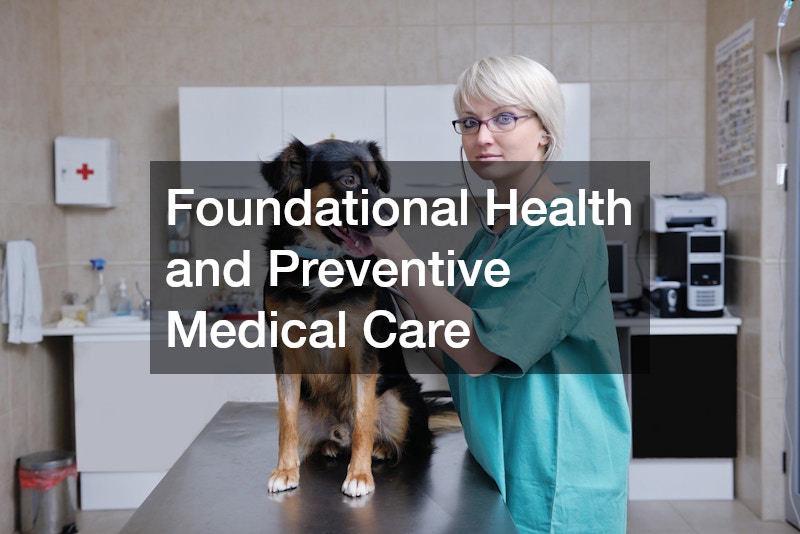
Maintaining optimal physical wellness requires a lifelong partnership between your family and qualified veterinary professionals. Preventive medicine forms the backbone of long-term health, catching potential issues early before they become serious conditions.
Scheduling Routine Wellness Examinations
Regular checkups allow veterinary professionals to monitor weight changes, inspect dental health, evaluate joint function, and administer necessary immunizations. Establishing a working relationship with a local veterinarian provides a reliable foundation for routine checkups, diagnostic testing, and personalized nutritional guidance tailored to your animal’s specific life stage.
During standard wellness visits, clinicians typically evaluate several critical aspects of health:
-
Cardiovascular and respiratory function using stethoscopes to detect early murmurs or irregular rhythms.
-
Oral hygiene to assess plaque buildup, gingivitis, and potential tooth decay that requires professional cleaning.
-
Ophthalmic and otic conditions to check for early signs of cataracts, infections, or inflammation.
-
Palpation of the abdomen and joints to detect internal swelling, discomfort, or early signs of arthritis.
Preparing for Unexpected Medical Emergencies
Accidents and acute illnesses can occur despite the best preventive measures. Knowing where to go during an urgent situation saves crucial time when seconds count. Families should locate nearby animal hospitals that offer twenty-four-hour emergency care and keep their contact details, along with poison control numbers, easily accessible on the refrigerator or saved in mobile phones.
Building a well-stocked home emergency kit ensures you are ready for sudden injuries:
-
Gauze pads, self-adhesive bandages, and medical tape for managing minor wounds and stabilizing limbs.
-
Antiseptic wipes, saline solution, and digital thermometers calibrated for animal use.
-
Tweezers and tick-removal tools for safely detaching parasites or foreign splinters.
-
Copies of vital vaccination records, medical histories, and emergency contact numbers.
Partnering with Specialized Care Providers
Not all household companions fall into the category of traditional dogs and cats. Families who share their lives with birds, reptiles, or small mammals require specialized diagnostic tools and tailored medical knowledge. Consulting an exotic pet veterinarian ensures that unique dietary needs, habitat parameters, and species-specific illnesses are properly evaluated. Similarly, families who manage larger animals or livestock require mobile clinicians who specialize in horse services, bringing specialized diagnostics, dental floating, and hoof care directly to the stable or pasture.
Training, Socialization, and Mental Stimulation

Education and mental engagement are just as vital to an animal’s well-being as physical nourishment. Proper instruction builds clear communication between humans and animals, preventing frustrating behavior problems and enhancing safety.
Building Confidence Through Gentle Guidance
Positive reinforcement methods rely on rewarding desired behaviors with treats, praise, or play, rather than punishing unwanted actions. This approach builds trust and encourages animals to actively participate in learning. When working on basic commands like sit, stay, and recall, keep training sessions short, fun, and consistent to prevent frustration.
Key principles for successful positive reinforcement include:
-
Marking correct behaviors immediately with a verbal cue or clicker, followed by a high-value treat.
-
Breaking complex tasks down into small, achievable steps to ensure steady success.
-
Ending every practice session on a positive note with a successful command and playtime.
Introducing Structured Early Learning
Early development stages represent a vital window for shaping lifelong behavioral habits and building social confidence. Taking time for leash training puppies teaches young dogs how to walk calmly without pulling, making outdoor outings safe and enjoyable for family members of all ages. Enrolling in professional dog training services gives pet parents expert guidance on managing common adolescent challenges like nipping, jumping, and territorial barking.
To build consistent walking habits with a young dog, practice these actionable steps:
-
Introduce the collar or harness indoors for short periods, pairing the gear with positive praise and treats.
-
Attach a lightweight lead inside the home, allowing the young dog to drag it briefly under supervision.
-
Reward the dog whenever they look back at you or walks by your side without tension on the lead.
-
Gradually transition to low-distraction outdoor spaces, stopping completely whenever tension occurs on the lead.
Enhancing Physical and Social Activity
Physical exertion paired with problem-solving exercises keeps minds sharp and bodies fit. Dogs, in particular, benefit from structured social exposure that teaches them how to interact politely with other animals and in novel environments. Introducing puzzle feeders, scent work games, and varied walking routes prevents boredom and reduces destructive tendencies at home. For energetic young dogs needing structured interaction during work hours, enrolling them in a quality puppy daycare offers supervised play, structured nap times, and valuable exposure to peer groups.
Responsible Care During Travel and Busy Schedules

Modern family life can be hectic, filled with work travel, long school days, and family vacations. Ensuring that your animal companions receive continuous, high-quality care during your absence requires advance planning and thorough communication.
Selecting Comfortable Away-From-Home Accommodations
When family travel plans cannot include four-legged companions, finding safe, comfortable accommodations is essential. Researching local boarding services allows you to tour facilities, meet caregivers, and review hygiene standards before making a reservation. A high-quality facility will require proof of current vaccinations, maintain clean sleeping areas, offer structured outdoor play, and accommodate custom feeding or medication schedules.
When touring potential boarding facilities, evaluate the following specific features:
-
Adequate ventilation, climate control, and clean, dry bedding areas free of sharp edges or hazards.
-
Secure double-gated entry systems to prevent accidental escapes during transition times.
-
Clear protocols for handling medical emergencies, including access to nearby veterinary facilities.
-
Attentive staff-to-animal ratios that ensure personal attention and regular behavioral monitoring.
Maintaining Daily Schedules During Absences
Whether you choose a dedicated facility or hire an in-home sitter, minimizing disruption to your animal’s regular routine helps ease separation anxiety. Provide clear, written instructions detailing exact feeding portions, medication administration, exercise schedules, and preferred behavioral routines. Packing familiar items, such as favorite toys or a blanket that smells like home, provides comfort and reassurance while you are away.
Nurturing a Lifetime Bond
Caring for our animal companions is a journey filled with learning, adaptation, and deep affection. From the energetic early months through the gentle golden years, our responsibilities shift, but our dedication remains constant. By prioritizing preventive medical care, establishing safe living environments, investing in proper behavioral education, and arranging reliable assistance during busy periods, we honor the devotion our pets bring to our lives.
Adapting Daily Exercise for Aging Companions
As animals transition into their senior years, their physical capabilities naturally begin to change. Mobility can diminish due to stiff joints or arthritis, making intense activities challenging or uncomfortable. Adjusting exercise routines to suit an older companion’s changing energy levels helps maintain muscle tone without causing undue strain. Shorter, more frequent strolls replace long runs, allowing older animals to explore at their own peaceful pace. Gentle movement stimulates circulation and keeps joints flexible, directly contributing to a higher quality of life during their twilight years. Simple changes ensure senior family members stay active, happy, and comfortable.
Supporting Cognitive Health and Brain Function
Mental decline can affect aging pets just as it impacts humans, leading to confusion, altered sleep cycles, or anxiety. Keeping an older animal’s brain active is essential for maintaining cognitive vitality throughout their senior stage. Gentle mental games, gentle scent work, and interactive puzzle toys encourage problem-solving without requiring intense physical effort. Consistently engaging an older companion’s mind helps preserve memory and sharpens sensory perception. Additionally, keeping household layouts familiar and predictable minimizes confusion for animals with declining eyesight or hearing. Thoughtful mental engagement provides rich comfort and reassurance as your loyal companion grows older.
Nutrition Adjustments for Senior Life Stages
Metabolic needs evolve significantly as domestic animals age, requiring updates to their daily nutritional plans. Senior diets often feature reduced calories to offset lower activity levels and prevent unhealthy weight gain that strains aging joints. High-quality protein sources remain essential for preserving lean muscle mass, while added fiber supports healthy, efficient digestion. Specialized supplements containing joint-supporting compounds like glucosamine or omega fatty acids can also promote comfortable mobility. Tailoring food choices to an animal’s specific life stage provides essential targeted nutrients. Consulting wellness professionals helps ensure every meal supports long-term physical strength and vitality.
Creating Accessible Living Spaces at Home
Modifying living areas can significantly improve comfort and mobility for older family members who experience physical stiffness. Non-slip rugs or matting placed over slick hardwood floors provide needed traction, preventing painful slips and falls. Low-profile orthopaedic beds with memory foam cushioning ease pressure on tender joints during long rest periods. Installing gentle ramps over outdoor stairs or near furniture allows companions to move freely without straining their bodies through high jumps. Thoughtful physical adjustments help aging animals navigate their home environment safely and independently, allowing them to remain close to the family they love.
Every effort put into understanding their health needs, body language, and physical requirements pays dividends in shared happiness and loyalty. As families, the time and attention we invest in our animal members not only enriches their lives but also teaches us valuable lessons in patience, kindness, and commitment. Through thoughtful preparation, expert partnerships, and everyday care, we can ensure that our furry, feathered, or scaled family members enjoy the healthy, fulfilling lives they so richly deserve.