Family milestones and traditions give relatives opportunities to spend time together, recognize important achievements, and create memories they can revisit for years. From birthdays and graduations to anniversaries and family reunions, these occasions do not have to follow the same format every time. A little creativity can turn an ordinary gathering into an experience that reflects the family’s interests and personality.
The most meaningful celebrations often come from thoughtful details rather than elaborate plans. A shared activity, a favorite meal, or a recurring family outing can become something everyone looks forward to. When planning an occasion, consider the ages, preferences, schedules, and needs of the people attending. You can also invite relatives to contribute ideas, helping everyone feel included. With a combination of familiar rituals and new experiences, families can create celebrations that remain enjoyable as generations grow and change.
Create Personalized Keepsakes That Preserve Important Memories
A meaningful keepsake can help a family remember a milestone long after the celebration ends. Personalized decorative pieces are especially useful for commemorating weddings, anniversaries, graduations, and family reunions. Rather than choosing something generic, consider an item that reflects a shared interest, important date, or family story.
For example, custom cast stone can be incorporated into decorative plaques, garden features, or other lasting pieces. Families can personalize these items with names, dates, or designs that represent an important occasion. Before ordering, consider where the piece will be displayed and how it will fit into the surrounding space.
A few planning considerations include:
- Choose a design that reflects the occasion or family history.
- Select materials suitable for the intended indoor or outdoor location.
- Check available personalization options before approving the design.
- Ask about installation, maintenance, and care requirements.
You can also make the keepsake part of a recurring tradition. For example, relatives might gather each year to add a new decorative element to a family garden or display. This gives the item meaning that grows with the family.
Plan Interactive Parties That Bring Generations Together
Celebrations become more engaging when guests have opportunities to participate instead of simply sitting and socializing. Activities that accommodate different ages and abilities can help relatives connect, especially when family members do not see one another frequently.
A bowling alley rental can provide a convenient setting for birthdays, reunions, and graduation celebrations. Bowling encourages friendly competition while allowing guests to participate at their own pace. Before reserving a venue, compare group rates, available lanes, accessibility, food options, and scheduling policies.
To make the event enjoyable for everyone:
- Divide relatives into mixed-age teams.
- Offer playful prizes for participation or creative team names.
- Schedule breaks for guests who prefer not to bowl.
- Confirm shoe rentals and equipment arrangements.
- Choose a time that accommodates children and older relatives.
You can also make the outing a recurring tradition. Keep the general format but change the teams, challenges, or small prizes each year. Taking a group photograph after the activity provides another way to document how the family changes over time.
Turn Family Vacations Into Traditions Worth Repeating
Annual trips give families something to anticipate and create opportunities to spend time together outside their usual routines. Instead of planning every vacation from scratch, consider establishing a recurring getaway around a season, holiday, or family milestone.
Luxury RV campgrounds may appeal to relatives who enjoy traveling while having access to recreational amenities and convenient accommodations. Compare locations based on site options, available facilities, family activities, accessibility, and reservation requirements. Read the policies carefully so you understand what each booking includes.
To make a trip more personal:
- Let different family members help select the destination.
- Create a shared photo album or travel journal.
- Plan activities that accommodate different interests.
- Repeat one favorite activity during every visit.
- Leave room for unplanned time together.
Families can also assign a different relative to help plan each year’s trip. This allows everyone to contribute and introduces new ideas without losing the familiar parts of the tradition. Even a short weekend getaway can become a memorable annual event when relatives look forward to sharing it.
Make Backyard Celebrations Flexible for Different Occasions
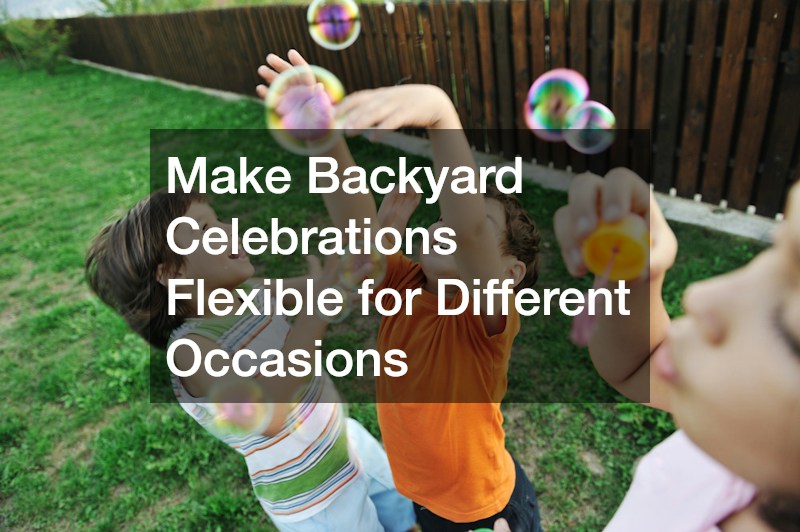
A backyard can become a versatile setting for birthdays, anniversaries, reunions, and seasonal gatherings. With thoughtful planning, families can adapt the space to accommodate different activities without needing a completely new setup for every occasion.
A dance floor pool cover service may be relevant when a family wants to use a pool area for an event, but the cover must be specifically designed and approved for that purpose. Never assume an ordinary pool cover can support people or serve as a dance floor. Consult qualified providers about load limits, installation requirements, and safety precautions before making plans.
When preparing the space, consider:
- The number of guests and available outdoor space.
- Seating, lighting, and weather accommodations.
- Safe access to the pool and restricted areas.
- Separate activity areas for children and adults.
- Any setup or removal requirements.
Keep children away from areas that are not approved for use, and follow all manufacturer and provider instructions. You can change the decorations, music, and activities for each celebration while maintaining a familiar backyard setting that relatives associate with family gatherings.
Organize Family Meals That Reflect Everyone’s Preferences
Food often plays an important role in family traditions. A favorite dish can remind relatives of childhood celebrations, while a shared meal gives everyone a reason to gather and catch up. Families can make these occasions more personal by incorporating recipes, flavors, and food customs that reflect their backgrounds.
For larger events, catering services can simplify preparation and give hosts more time to spend with guests. Before selecting a provider, discuss menu options, serving arrangements, delivery, setup, and pricing. Make sure the menu accounts for food allergies, dietary restrictions, and the preferences of guests across different age groups.
Helpful planning steps include:
- Ask relatives about dietary needs before choosing dishes.
- Include a few familiar family favorites.
- Confirm ingredient and allergen information.
- Determine whether the provider supplies serving equipment.
- Establish a schedule for delivery and cleanup.
You can also invite relatives to contribute a dish or share a recipe connected to a particular milestone. Over time, these contributions can become part of a family recipe collection. Repeating a special meal each year gives younger generations a chance to learn the stories behind the dishes.
Use Shared Hobbies to Make Celebrations More Personal
A celebration feels more thoughtful when its activities reflect the interests of the person or people being recognized. Instead of choosing entertainment based only on what is popular, consider the hobbies relatives already enjoy. This approach can make birthdays, family game nights, and achievement celebrations more engaging.
For relatives who enjoy collecting, a visit to a Pokemon card store could become part of a themed outing. Families might browse collections, learn about different cards, or organize a casual trading event. If children are involved, parents should help establish spending limits and explain how to make fair trades.
Other ways to incorporate hobbies include:
- Organize a family game or trivia competition.
- Create a display featuring a relative’s collection.
- Let the guest of honor choose the activity.
- Invite experienced family members to teach beginners.
- Set aside time for everyone to share their interests.
Avoid assuming that every relative will enjoy the same activity. Offer alternatives so guests can participate in a way that feels comfortable. A recurring hobby-based gathering can also allow relatives to develop shared interests over time.
Include Age-Appropriate Conversations in Family Milestones
As children grow and family relationships change, certain milestones create opportunities for important conversations. Topics involving health, relationships, and personal boundaries should be approached with sensitivity and respect.
Sexual health is one subject families may need to discuss as children reach adolescence and adulthood. Parents can provide age-appropriate information, encourage questions, and use reliable educational resources. Qualified healthcare professionals can also help address concerns that require medical guidance.
To make these conversations more productive:
- Adapt information to the individual’s age and understanding.
- Use accurate, reputable educational materials.
- Respect privacy and personal boundaries.
- Encourage questions without judgment.
- Seek professional guidance when appropriate.
These discussions do not need to happen all at once. Ongoing conversations can make it easier for family members to raise questions as their circumstances change. Parents should also recognize that some individuals may prefer to discuss sensitive concerns privately with a healthcare professional. Respecting those preferences helps maintain a supportive environment.
Preserve Family Stories Through Printed Gifts and Displays
Photographs and digital messages can capture special occasions, but printed materials offer another way to preserve memories. A family photo book, commemorative program, or collection of written stories can become a keepsake that relatives revisit and pass along.
A print finishing company can help produce polished materials for reunions, anniversaries, graduations, and other milestones. Depending on the project, families may explore options such as binding, paper selection, covers, and other finishing details. Before approving a larger order, review a proof to check the layout and content.
For a successful project:
- Gather photographs and stories well before the event.
- Confirm names, dates, captions, and spelling.
- Choose a format that suits the intended use.
- Compare paper and binding options.
- Request a proof before final production.
Consider creating an annual family photo book that documents gatherings, vacations, and important achievements. Ask different relatives to contribute pictures or short memories. This shared responsibility can make the finished collection more representative of the entire family.
Choose Meaningful Clothing and Accessories for Special Occasions
Clothing can become part of a family tradition when relatives coordinate outfits for celebrations or choose accessories connected to shared interests. These details can make group photographs more memorable and give an occasion a recognizable theme.
For example, cowboy boots may be a natural addition to a Western-themed reunion, country celebration, or family photo session. If relatives are participating, consider comfort and personal preferences rather than requiring everyone to wear the same style.
When planning themed outfits:
- Choose a color palette or general style.
- Allow relatives to adapt the theme to their preferences.
- Consider the venue, weather, and planned activities.
- Prioritize comfortable footwear and clothing.
- Include meaningful accessories when appropriate.
A recurring family photograph can help turn the clothing theme into a tradition. Take the picture in the same general location each year, then compare the results as children grow and new relatives join the celebration. The goal is to create a shared experience, not to make everyone follow a strict dress code.
Establish Sweet Traditions Around Family Achievements

Small rituals can make birthdays, graduations, promotions, and other achievements feel special. A favorite dessert, for example, can become something relatives associate with a particular person’s milestones. Repeating the ritual each year can create a sense of familiarity without requiring an elaborate celebration.
Visiting pastry shops can become part of that tradition. Families might let the person being celebrated choose a favorite treat or explore a new seasonal selection together. For larger gatherings, place orders ahead of time and confirm availability, serving sizes, and any dietary accommodations.
Consider these ideas:
- Let the guest of honor select the dessert.
- Try a different flavor or seasonal treat each year.
- Take a photograph of each milestone cake or pastry.
- Save favorite recipes in a shared family collection.
- Invite relatives to help prepare or serve the food.
Ask about ingredients when guests have allergies or dietary restrictions. Planning these details ahead of time helps everyone participate comfortably. Even a simple dessert outing can become a meaningful tradition when it gives relatives a chance to recognize achievements and spend time together.
Meaningful family traditions do not have to involve elaborate events or expensive plans. They can grow from shared meals, interactive outings, annual trips, personalized keepsakes, and small rituals that relatives enjoy repeating. The most successful celebrations reflect the family’s interests while giving different generations opportunities to participate and connect.
When planning a milestone, consider the preferences, ages, schedules, and needs of the people attending. Invite relatives to contribute ideas, divide responsibilities, and suggest activities they would enjoy. These steps can make celebrations feel more personal while keeping the planning manageable.
You can also build traditions gradually. Start with one activity that everyone enjoys, repeat it during an important occasion, and adjust the details as circumstances change. Over time, familiar experiences can become an important part of family life. The memories created through these moments are what make celebrations meaningful and give relatives something special to carry forward.