Introduction: Building a Long-Term Strategy for Home Safety and Efficiency
A well-maintained home is not the result of occasional repairs—it’s the outcome of consistent planning, timely inspections, and an understanding of how every system works together. From the structure beneath your feet to the roof above your head, each component plays a role in keeping the home safe, efficient, and comfortable. When one system begins to fail, it often creates a ripple effect that impacts others, leading to higher repair costs and unnecessary stress.
Many homeowners approach maintenance reactively, waiting until something breaks before taking action. While this may seem practical in the short term, it often results in more expensive and disruptive repairs. A proactive approach, on the other hand, focuses on identifying early warning signs, scheduling regular inspections, and addressing minor issues before they escalate.
Another important factor is system interdependence. Structural issues can affect roofing alignment, plumbing leaks can damage drywall, and poor ventilation can strain HVAC systems. Understanding these connections helps homeowners make smarter decisions about maintenance priorities and budgeting.
Seasonal changes also play a major role in home performance. Weather fluctuations can impact everything from roofing materials to foundation stability and air quality. Homes that are not properly maintained throughout the year are more likely to experience sudden failures during extreme conditions.
Technology has also changed how homeowners approach maintenance. Modern diagnostic tools, energy-efficient systems, and smart home monitoring devices make it easier to track performance and detect issues early. However, even with advanced systems, routine inspections and professional evaluations remain essential.
This guide is designed to help homeowners take a structured, informed approach to property care. It focuses on practical maintenance strategies, inspection routines, and upgrade planning that support long-term efficiency and safety. By treating your home as a connected system rather than a collection of separate parts, you can significantly reduce risk, improve comfort, and protect your investment over time.
Strengthen Your Home from the Ground Up with Structural Awareness
The foundation is the most critical structural element of any home. When it begins to fail, the effects can spread throughout the entire property, impacting walls, floors, doors, and even roofing alignment. Early detection is essential to prevent long-term damage and costly repairs.
Common warning signs of foundation issues include:
- Cracks in interior or exterior walls
- Uneven or sloping floors
- Doors and windows that stick or misalign
- Gaps between walls and ceilings
Soil movement, poor drainage, and seasonal temperature changes are among the leading causes of foundation stress. Water accumulation around the base of a home is particularly damaging, as it can weaken structural integrity over time.
When issues are detected, foundation repair should be addressed promptly. Delaying repairs often allows damage to spread, increasing both complexity and cost.
Preventative strategies include:
- Ensuring proper drainage around the home
- Maintaining gutters and downspouts
- Monitoring basement humidity levels
- Scheduling periodic structural inspections
A stable foundation supports every other system in the home, making it one of the most important areas of long-term maintenance.
Keep Entry Systems Safe, Functional, and Properly Maintained
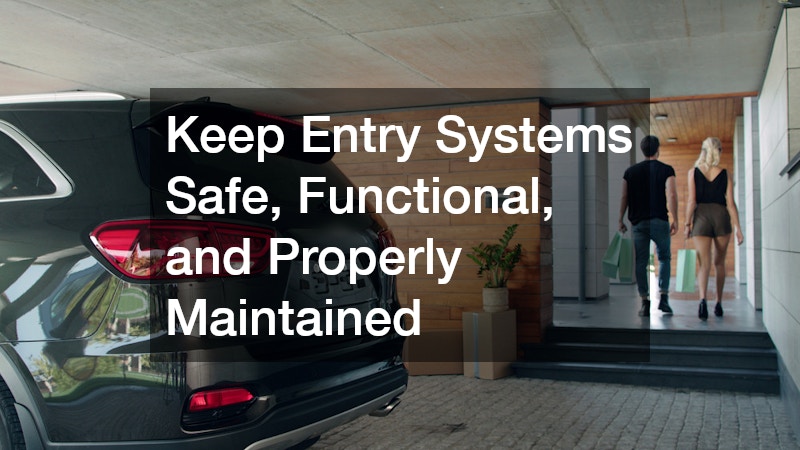
Garage doors are one of the most frequently used entry systems in a home, yet they are often overlooked until they fail. Because they rely on tension-loaded components and mechanical systems, even small issues can quickly become safety hazards.
Common signs that garage door repairs may be needed include:
- Loud grinding or snapping noises
- Uneven or jerky movement
- Door failing to open or close fully
- Visible wear on springs or cables
Routine maintenance can significantly extend system lifespan. Homeowners should regularly inspect moving parts and ensure proper lubrication of hinges, rollers, and tracks.
Preventative steps include:
- Testing door balance periodically
- Checking safety sensors for proper alignment
- Keeping tracks free of debris
- Avoiding manual strain on malfunctioning doors
Because garage door systems operate under high tension, professional service is strongly recommended for repairs. Attempting DIY fixes on springs or cables can result in serious injury.
A well-maintained garage door improves both safety and convenience while protecting vehicles and stored belongings.
Protect Your Home from Weather Damage and Structural Wear
The roof serves as the primary barrier between your home and the elements. Over time, exposure to wind, rain, snow, and sunlight can cause gradual deterioration that compromises protection.
Signs of roof issues include:
- Missing or damaged shingles
- Water stains on ceilings or attic surfaces
- Sagging roof sections
- Granule buildup in gutters
A qualified residential roofer can assess the condition of your roof and determine whether targeted roof repairs or full replacement is necessary.
Preventative maintenance is key to extending roof lifespan:
- Inspect after severe weather events
- Clean gutters regularly to prevent water backup
- Remove debris such as branches and leaves
- Check flashing around chimneys and vents
Ignoring roof issues can lead to water infiltration, insulation damage, and mold growth. Early intervention is always more cost-effective than major structural repairs.
Improve Indoor Air Quality and HVAC System Efficiency
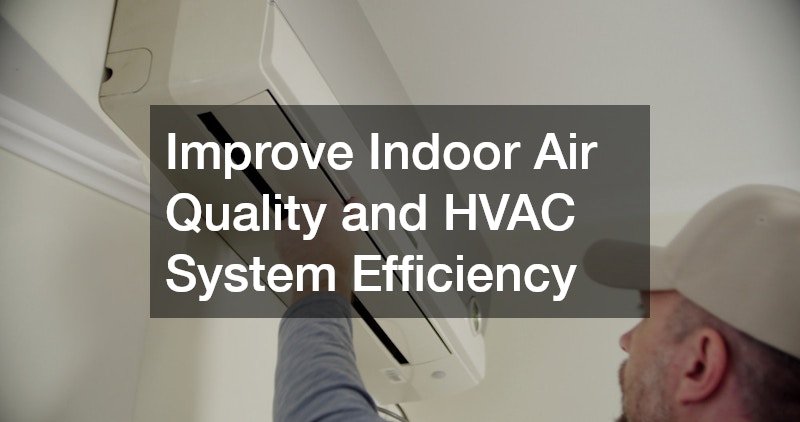
Indoor air quality plays a major role in health and comfort. Over time, dust, allergens, and debris accumulate in HVAC systems, reducing efficiency and circulating pollutants throughout the home.
Signs that air duct cleaning may be needed include:
- Increased dust buildup in living spaces
- Musty or stale odors from vents
- Uneven airflow between rooms
- Worsening allergy symptoms indoors
Regular cleaning helps restore airflow efficiency and improves system performance.
Maintenance benefits include:
- Reduced strain on HVAC systems
- Improved energy efficiency
- Better indoor air quality
- Extended equipment lifespan
Homeowners should schedule periodic inspections, especially in households with pets, allergies, or high system usage.
Prepare Your Home for Power Outages and Emergency Situations
Power outages can disrupt daily life and compromise safety, especially during extreme weather events. Installing a backup generator ensures essential systems continue operating when the grid fails.
Key considerations when selecting generators include:
- Power capacity based on household needs
- Fuel type (gas, propane, or diesel)
- Automatic vs manual activation
- Indoor vs outdoor installation requirements
Proper maintenance is essential for reliability:
- Run test cycles regularly
- Check fuel levels and system readiness
- Inspect wiring and connections
- Replace worn components as needed
A well-maintained generator provides peace of mind and ensures critical systems like refrigeration, heating, and medical equipment remain operational during emergencies.
Maintain Household Functionality Through Reliable Appliance Care
Household appliances play a central role in daily comfort and efficiency. When they malfunction, it can disrupt routines and increase energy consumption.
Common signs that appliance repair services may be needed include:
- Unusual noises or vibrations
- Reduced performance or efficiency
- Water leaks or electrical issues
- Failure to start or complete cycles
Preventative maintenance helps extend appliance lifespan:
- Clean filters and vents regularly
- Avoid overloading machines
- Inspect hoses and connections
- Follow manufacturer maintenance guidelines
Repairing appliances early is often more cost-effective than full replacement and helps reduce unnecessary waste.
Ensure Safe Living Conditions Through Proper Hazard Inspections

In older homes, hidden hazards can pose serious health risks. One of the most critical concerns is asbestos, a material commonly used in older construction.
Asbestos inspections are essential in homes built before modern safety regulations. Potential exposure areas include insulation, flooring, and ceiling materials.
Why inspections matter:
- Prevents long-term respiratory health risks
- Identifies hidden hazardous materials
- Supports safe renovation planning
- Ensures compliance with safety standards
Professional assessment is required to safely identify and manage asbestos-containing materials.
Prevent Water Damage and Maintain Structural Protection
Walls are often the first visible indicator of deeper structural issues. Cracks, stains, and bulging surfaces can signal water damage, settling, or poor installation.
A professional drywall company can assess and repair damage to restore both appearance and structural integrity.
Common issues include:
- Moisture stains or discoloration
- Cracks from settling or movement
- Soft or weakened wall sections
- Mold growth behind surfaces
Preventative steps:
- Address leaks immediately
- Maintain proper indoor humidity levels
- Inspect walls after plumbing issues
- Ensure proper insulation and ventilation
Proper drywall maintenance helps preserve both structural integrity and indoor air quality.
Manage Water Flow and Protect Your Home’s Exterior Systems
Gutters play a vital role in directing water away from the home. When they become clogged or damaged, water can overflow and collect around the foundation, leading to erosion, basement leaks, and long-term structural instability. What often starts as a minor blockage can quickly escalate into costly foundation or siding repairs if not addressed promptly. Proper water management is one of the most important yet overlooked aspects of exterior home maintenance.
A professional gutter company ensures proper installation and maintenance to prevent water-related damage. Beyond simple cleaning, professionals evaluate slope alignment, joint integrity, and drainage efficiency to ensure the entire system functions correctly during heavy rainfall. Poor installation or neglected maintenance can cause water to backflow onto the roof or pool near the foundation, both of which create serious risks.
Common problems include:
- Overflowing gutters during rainstorms due to debris buildup
- Sagging or detached sections caused by excess weight or wear
- Clogs from leaves, twigs, and roofing debris
- Improper drainage direction leading water toward the home instead of away
Maintenance recommendations:
- Clean gutters at least twice per year, especially in spring and fall
- Inspect systems after storms or high winds for hidden damage
- Ensure downspouts extend far enough from the foundation
- Repair leaks or loose connections immediately to prevent worsening issues
Additional considerations include installing gutter guards to reduce debris accumulation and checking grading around the home to ensure proper runoff flow. Even small improvements in water management can significantly reduce long-term structural risks.
Proper gutter systems are essential for protecting roofing, siding, and foundation integrity. When maintained correctly, they serve as a first line of defense against water intrusion, preserving both the structure and value of the home over time.
Coordinate Multiple Home Maintenance Tasks Efficiently
Managing multiple home systems requires planning and prioritization. Without coordination, repairs can overlap, get delayed, or become unnecessarily expensive due to inefficient scheduling. A structured approach ensures that maintenance tasks are completed in the right order and at the right time, reducing disruption to daily life.
One of the most effective methods is to align maintenance tasks seasonally. For example, scheduling HVAC inspections, gutter cleaning, and roofing checks during specific times of the year creates a predictable routine. This prevents last-minute emergencies and ensures systems are consistently monitored.
Best practices include:
- Creating a seasonal maintenance schedule that aligns with weather changes
- Grouping related inspections (such as exterior systems or plumbing systems) together
- Tracking service history for each system to identify patterns or recurring issues
- Prioritizing safety-related repairs before cosmetic or optional upgrades
Additional strategies:
- Use digital reminders or maintenance logs to stay organized
- Bundle contractor visits when possible to reduce service costs
- Evaluate system interdependencies before scheduling work
- Plan larger renovations around smaller maintenance tasks to avoid overlap
Coordination also improves communication with service providers. When contractors understand the full scope of planned work, they can make better recommendations and avoid unnecessary duplication of effort.
A structured approach improves efficiency and reduces long-term costs. Over time, this method creates a smoother maintenance cycle where fewer emergencies arise, systems last longer, and homeowners maintain better control over both time and budget.
Budgeting for Repairs, Inspections, and Long-Term Upgrades
Home maintenance requires ongoing financial planning. Without a dedicated budget, unexpected repairs can create significant financial strain and force homeowners to delay critical work. Proactive budgeting ensures that essential systems are maintained properly and that upgrades can be completed without disruption.
One of the most effective strategies is establishing a separate home maintenance fund that is replenished regularly. This fund should account not only for routine maintenance but also for emergency repairs and long-term upgrades.
Effective strategies include:
- Setting aside emergency repair funds each month or quarter
- Comparing contractor estimates before committing to major work
- Prioritizing essential repairs that impact safety and structural integrity
- Planning upgrades in phases to spread out costs over time
Additional financial planning tips:
- Review past maintenance expenses to forecast future needs
- Factor seasonal costs into annual budgeting (roofing, HVAC, exterior care)
- Avoid delaying small repairs that could grow into larger expenses
- Consider energy-efficient upgrades that reduce long-term utility costs
Tracking expenses helps improve future planning and decision-making. By maintaining a detailed record of repairs and improvements, homeowners can better anticipate future costs and identify patterns that may indicate larger system issues.
A structured financial approach not only reduces stress but also ensures that the home remains in optimal condition year-round. With proper budgeting, homeowners can confidently manage both expected and unexpected maintenance needs without compromising other financial priorities.
Increase Property Value Through Strategic Maintenance
Well-maintained homes consistently outperform neglected properties in resale value. Buyers are increasingly looking for homes that demonstrate consistent upkeep, modern systems, and documented maintenance history. Strategic maintenance not only improves daily living conditions but also significantly enhances long-term market appeal.
High-impact improvements include:
- Structural repairs and upgrades that ensure long-term stability
- Energy-efficient system improvements that reduce utility costs
- Exterior maintenance and upgrades that enhance curb appeal
- Interior condition improvements that reflect overall care and quality
Additional value-boosting strategies:
- Keep detailed records of all repairs and upgrades for transparency
- Prioritize visible improvements such as roofing, siding, and landscaping
- Upgrade outdated systems before they become liabilities during resale
- Focus on improvements that combine functionality with aesthetics
Consistency is key. Even small, ongoing maintenance efforts can add up over time to create a strong impression of a well-cared-for property. Buyers are more confident investing in homes that show evidence of proactive maintenance rather than reactive repairs.
Consistent upkeep enhances both livability and market appeal. Over time, it ensures that the home retains its value, performs efficiently, and stands out in competitive real estate markets.
Conclusion: Creating a Safe, Efficient, and Well-Maintained Home
A truly well-maintained home is the result of ongoing attention, informed decision-making, and a proactive approach to care. Rather than waiting for systems to fail, homeowners who prioritize inspections and preventative maintenance are able to avoid many of the costly and disruptive issues that arise from neglect. This shift in mindset is one of the most important steps toward long-term property protection.
Each system within a home plays a role in overall performance. Structural components support stability, roofing protects from environmental exposure, plumbing ensures functionality, and HVAC systems maintain comfort. When these systems are maintained in isolation, inefficiencies can still develop. However, when they are managed as part of a coordinated plan, the entire home benefits from improved performance and reliability.
Another key takeaway is the importance of timing. Small issues rarely remain small for long. A minor leak, a subtle crack, or reduced airflow may seem insignificant at first but can quickly escalate into major repairs if ignored. Addressing problems early is not just cost-effective—it is essential for preserving long-term structural integrity.
Financial planning also plays a crucial role. Homeownership is not a static expense but an ongoing investment. Setting aside resources for maintenance and upgrades ensures that necessary work can be completed without delay, reducing stress and preventing emergency situations.
Finally, consistency is what separates a struggling home from a well-performing one. Regular inspections, seasonal maintenance, and thoughtful upgrades create a system of care that compounds benefits over time. Over years of ownership, this consistency results in fewer emergencies, lower repair costs, and a home that remains comfortable, efficient, and structurally sound.
Ultimately, maintaining a home is about creating stability in an environment that is constantly changing. With the right approach, homeowners can ensure their property remains not only livable, but resilient, valuable, and prepared for the future.