
Raising children with a well-rounded upbringing requires more than focusing on one area of development. It involves a thoughtful balance of physical health, emotional well-being, academic growth, and creative exploration. Parents who take a proactive and intentional approach can create an environment where children feel supported and encouraged to grow in multiple dimensions. This foundation helps children build confidence, resilience, and curiosity that lasts into adulthood.
A well-rounded childhood is not about overscheduling or overwhelming children with activities. Instead, it is about providing diverse opportunities that align with their interests and developmental stage. By exposing children to a range of experiences, parents can help them discover their strengths while also developing essential life skills. This balance is key to fostering independence and adaptability.
Understanding how different aspects of development intersect allows parents to make informed decisions. From early health habits to educational choices and extracurricular involvement, each decision plays a role in shaping a child’s overall experience. With the right approach, families can create a supportive framework that evolves as children grow.
Parents also benefit from setting realistic expectations as they guide their children. Every child develops at their own pace, and comparing progress can create unnecessary pressure. Focusing on consistent support rather than perfection helps children feel encouraged rather than judged. This mindset contributes to a healthier and more positive family dynamic.
Establishing a Strong Health Foundation

A child’s overall well-being begins with consistent attention to their physical health. Regular checkups with a trusted pediatrician help monitor growth, track developmental milestones, and address concerns early. These visits also provide valuable guidance on nutrition, sleep, and preventive care. Establishing this routine builds a strong baseline for lifelong health.
Healthy habits formed during childhood often carry into adulthood. Encouraging balanced meals, consistent sleep schedules, and daily physical activity supports both physical and mental development. Parents who model these habits create a positive environment where wellness becomes a natural part of everyday life.
Emotional health is equally important in building a strong foundation. Open communication and a supportive home environment help children feel secure and understood. When children learn to express their feelings and manage stress early on, they are better equipped to handle challenges as they grow.
Preventive care extends beyond routine appointments and into everyday awareness. Monitoring changes in behavior, energy levels, or appetite can help identify potential concerns early. Taking a proactive approach allows families to address issues before they become more serious, reinforcing long-term well-being.
Nurturing Growth From the Start
The earliest stages of childhood play a critical role in shaping development. Providing attentive infant care ensures that babies receive the support they need to thrive physically and emotionally. Simple actions such as responsive caregiving, sensory stimulation, and consistent routines contribute to healthy development.
A nurturing environment encourages exploration and curiosity. When children feel safe, they are more likely to engage with their surroundings and develop new skills. Parents can support this growth by offering age-appropriate toys, interactive play, and opportunities for discovery.
Strong bonds between caregivers and children lay the groundwork for future relationships. Consistent interaction, affection, and responsiveness help build trust and emotional security. These early connections influence how children approach learning and social interactions later in life.
As children grow, maintaining that nurturing environment remains essential. Adjusting activities and expectations to match developmental stages ensures continued progress. This adaptability helps children feel supported while also encouraging independence and confidence.
Selecting the Right Early Education Path
Choosing an early learning environment is one of the first major decisions parents make. Enrolling children in preschool classes can introduce them to structured learning while still allowing room for play and creativity. These settings help children develop social skills, follow routines, and build early academic foundations.
Different programs offer varying approaches to education, from play-based learning to more structured curricula. Understanding these differences helps parents select an option that aligns with their child’s personality and needs. Observing classrooms and speaking with educators can provide valuable insight into the learning environment.
Preparation for future academic success begins in these early years. Exposure to group settings, basic concepts, and guided activities helps children transition smoothly into more formal education. This early foundation supports confidence and readiness for the next stages of learning.
Consistency between home and school environments can further enhance early education. Reinforcing similar routines and expectations helps children adapt more easily. When parents and educators work together, children benefit from a more cohesive learning experience.
Choosing Quality Educational Opportunities
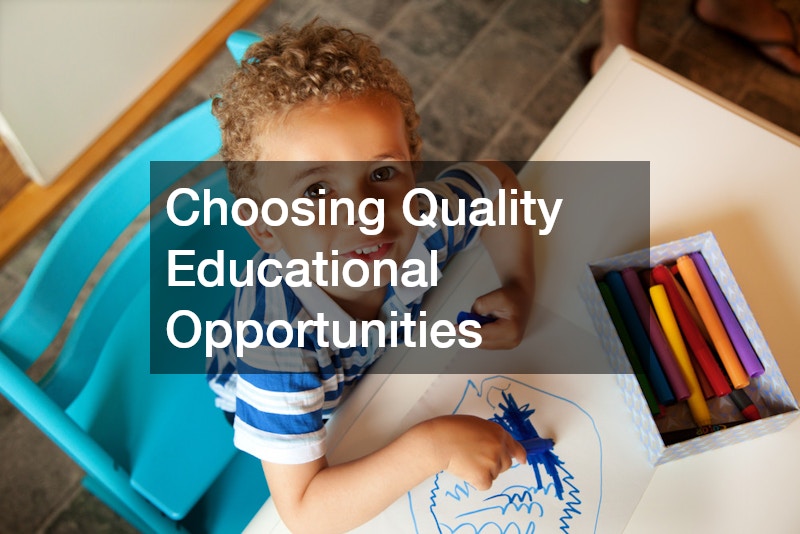
As children grow, selecting the right academic environment becomes increasingly important. Families often research the best schools to ensure their children receive a strong education that supports both academic and personal development. Factors such as curriculum quality, teacher support, and extracurricular offerings all contribute to this decision.
Parental involvement plays a significant role in academic success. Staying engaged with teachers, monitoring progress, and supporting learning at home reinforces what children experience in the classroom. This partnership creates a more cohesive and effective educational experience.
Encouraging curiosity beyond the classroom also enhances learning. Providing access to books, educational activities, and discussions helps children develop critical thinking skills. When learning is framed as an ongoing process rather than a task, children are more likely to stay motivated and engaged.
It is also important to reassess educational choices over time. As children’s interests and needs evolve, their learning environment should continue to support their growth. Remaining flexible allows families to make adjustments that better align with long-term goals.
Finding Reliable Daily Support Systems
Modern family life often requires additional support to manage daily responsibilities. Choosing a dependable childcare service can provide children with a safe and structured environment while parents balance work and other commitments. Quality care providers offer supervision, engagement, and consistency.
A predictable routine helps children feel secure and reduces stress. Knowing what to expect throughout the day allows them to focus on learning and social interaction. Care providers who maintain structured schedules contribute to a stable and supportive atmosphere.
Trust is essential when selecting any form of care. Parents benefit from researching options, visiting facilities, and communicating openly with caregivers. Building a strong relationship with care providers ensures that children receive attentive and thoughtful support.
Flexibility is another key factor when evaluating care options. Families often need solutions that can adapt to changing schedules or unexpected circumstances. Reliable support systems provide peace of mind and help maintain consistency for children.
Supporting Social Development and Independence
Social skills are a key component of a well-rounded childhood. Interaction with peers teaches children how to communicate, cooperate, and resolve conflicts. Participating in after-school care programs can provide additional opportunities for structured socialization in a supervised setting.
Developing independence is equally important. Allowing children to make age-appropriate decisions helps build confidence and problem-solving skills. These experiences encourage them to take responsibility for their actions and learn from outcomes.
Emotional intelligence also plays a crucial role in social development. Teaching children to recognize and manage their emotions helps them navigate relationships more effectively. These skills contribute to stronger connections and a greater sense of self-awareness.
Providing opportunities for teamwork can further strengthen social abilities. Group activities encourage collaboration and mutual respect. These experiences help children understand different perspectives and build meaningful relationships.
Prioritizing Oral Health and Hygiene

Oral health is often overlooked but plays a significant role in overall well-being. Regular visits to a children’s dentist help prevent common issues and establish good hygiene habits early. These appointments also familiarize children with dental care in a positive and supportive environment.
Daily routines such as brushing and flossing are essential for maintaining healthy teeth and gums. Parents can make these habits more engaging by incorporating fun elements or establishing consistent schedules. Reinforcing these practices helps children understand their importance.
Preventive care reduces the likelihood of more serious issues later on. Addressing concerns early and maintaining regular checkups support long-term health. A proactive approach to dental care contributes to overall confidence and comfort.
Educating children about the importance of oral hygiene empowers them to take ownership of their health. When they understand the reasons behind these habits, they are more likely to maintain them independently. This awareness supports lifelong wellness.
Encouraging Physical Activity and Skill Building
Physical activity is essential for healthy growth and development. Enrolling children in gymnastics can help improve coordination, strength, and flexibility. These structured activities also teach discipline and perseverance as children work toward new skills.
Incorporating movement into daily routines supports both physical and mental health. Whether through organized sports or free play, regular activity helps children release energy and stay focused. Active children are often more engaged and confident in other areas of life.
Parents can encourage participation by finding activities that align with their child’s interests. When children enjoy what they are doing, they are more likely to stay committed and develop a positive relationship with physical fitness.
Variety in physical activities can also prevent burnout and maintain enthusiasm. Introducing different forms of movement keeps routines fresh and engaging. This approach helps children develop a broader range of skills while staying motivated.
Exploring Creative and Performing Arts
Creative expression allows children to explore their individuality and build confidence. Participating in dance lessons provides an outlet for movement, creativity, and self-expression. These experiences also teach discipline and the value of practice.
The arts play a significant role in emotional development. Through creative activities, children can express feelings and ideas that may be difficult to articulate otherwise. This form of expression supports both emotional well-being and communication skills.
Exposure to artistic experiences broadens a child’s perspective. Whether through music, visual arts, or performance, these opportunities encourage imagination and innovation. Supporting creativity helps children develop a well-rounded sense of self.
Encouraging creativity at home can further enhance these benefits. Providing materials and dedicated time for artistic activities reinforces their importance. This support helps children feel valued and motivated to continue exploring their talents.
Expanding Horizons Through Enrichment Activities
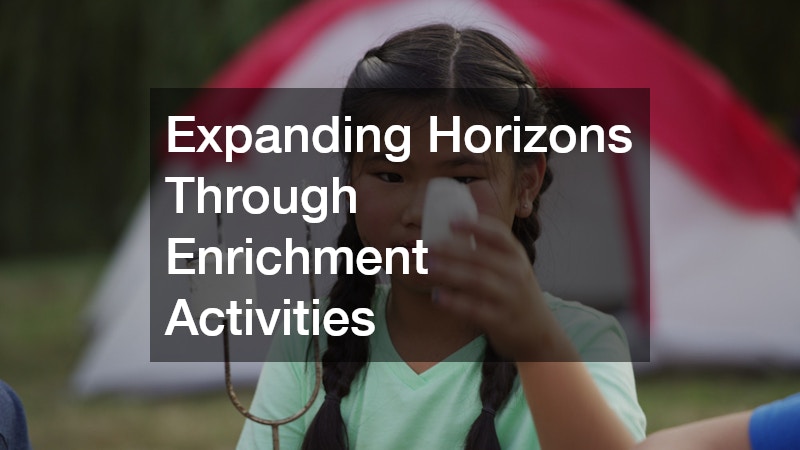
Experiential learning opportunities provide valuable growth outside traditional settings. Attending a summer camp allows children to explore new interests, build friendships, and develop independence. These environments often encourage teamwork, problem-solving, and resilience.
Outdoor and hands-on activities contribute to a deeper understanding of the world. Engaging with nature and participating in group challenges helps children build confidence and adaptability. These experiences often leave lasting impressions that shape future interests.
Variety in activities helps children discover their passions. Exposure to different environments and challenges encourages them to step outside their comfort zones. This exploration supports personal growth and a broader perspective on life.
These experiences also help children develop practical life skills. From communication to decision-making, enrichment activities reinforce abilities that extend beyond academics. This well-rounded exposure prepares children for future challenges.
Creating a well-rounded childhood involves thoughtful planning, flexibility, and a willingness to adapt. By supporting health, education, creativity, and social development, parents can provide a balanced foundation for growth. Each stage of childhood presents new opportunities to nurture skills and interests.
Consistency and intentionality are key to maintaining this balance. Rather than focusing on perfection, families benefit from staying responsive to their child’s evolving needs. This approach allows for adjustments that support both development and well-being.
Ultimately, a well-rounded childhood prepares children for the complexities of life. By encouraging curiosity, resilience, and independence, parents equip their children with the tools they need to succeed. These early experiences shape not only who children become, but how they engage with the world around them.
Maintaining this approach over time requires ongoing reflection and commitment. As children grow, their needs and interests will shift, and parents must adjust accordingly. This flexibility ensures that children continue to feel supported while developing into capable, confident individuals.