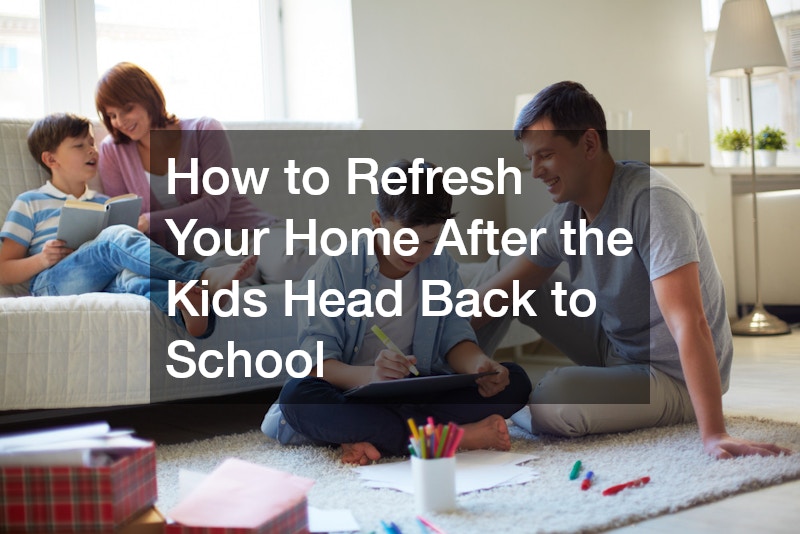
When the kids head back to school, the rhythm of the household can change almost overnight. Mornings become more structured, afternoons become busier, and evenings often revolve around homework, activities, meals, and preparing for the next day. After a busy summer, your home may also be showing signs of all that activity. Whether your child is starting elementary school after attending a montessori preschool or returning to another familiar classroom setting, the beginning of a new school year can be an excellent opportunity to refresh your home and create a more comfortable, functional environment.
You do not need a major renovation to make a noticeable difference. Decluttering, reorganising, updating a few spaces, and addressing overdue maintenance can make your home feel cleaner and more peaceful.
Whether you want to reclaim your living room, create a better homework area, organise bedrooms, or finally tackle projects you postponed during the summer, the back-to-school season provides a natural starting point.

Start With a Whole-Home Decluttering Session
Before adding new storage solutions or purchasing decorations, remove items you no longer need. Summer often brings additional clothing, toys, sporting equipment, craft supplies, and miscellaneous belongings into the house. Once school begins, it becomes easier to identify what actually needs to stay.
Work through the home one room at a time rather than trying to declutter everything in one day. Sort belongings into categories such as keep, donate, recycle, repair, or discard.
Pay particular attention to children’s bedrooms and play areas. Clothes that no longer fit, outgrown toys, broken items, and unused school supplies can quickly take up valuable space.
Closets are another excellent place to begin. Sort clothing according to size and season, moving summer-specific items aside if necessary. Make room for clothing your children will actually need during the school year.
Do not forget the entryway. Shoes, backpacks, jackets, sports equipment, and lunch bags can quickly create clutter near the door. A few hooks, baskets, shelves, or cubbies can give everything a designated place.
Refresh the Entryway
The entryway is one of the hardest-working areas of a family home. It is where children drop backpacks, shoes, jackets, and other belongings after a busy day.
Creating a designated area for each child can make the space much more functional. A simple hook, basket, shelf, or cubby gives everyone a specific place for their belongings.
If you have enough wall space, add hooks at a child-friendly height. This encourages children to hang up jackets and backpacks instead of leaving them on the floor. Baskets can hold shoes, accessories, and seasonal items.
You can also create a small command centre for the household. A calendar, dry-erase board, or bulletin board can help keep school schedules, appointments, permission slips, and extracurricular activities visible.
The goal is not to create a picture-perfect entryway. Focus on making the space easy to use. If putting something away requires several steps, children are less likely to do it consistently.
Give Bedrooms a Back-to-School Reset
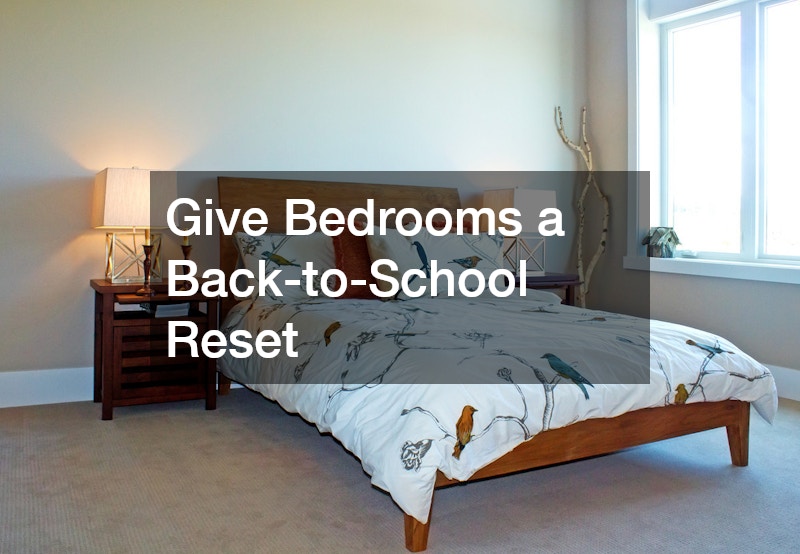
Children’s bedrooms often need to change as they get older. A room that worked perfectly last year may no longer suit your child’s needs, interests, or school routine.
Start by removing items that no longer belong in the room. Then consider whether the layout supports sleeping, studying, dressing, and relaxing.
A dedicated homework area can be particularly helpful. If there is enough room, position a desk near natural light and keep commonly used school supplies within reach. If space is limited, a small desk or wall-mounted workspace may be enough.
Keep the desk simple. Containers can organise pencils, notebooks, chargers, and other frequently used supplies without taking up unnecessary space.
Bedding can also provide an easy way to refresh a bedroom without replacing furniture. A new comforter, pillow covers, curtains, or rug can give the room a different appearance.
Consider changing storage needs as well. Older children may need more room for schoolwork, sports equipment, hobbies, or technology than they did when they were younger.
Create a More Functional Homework Space
A homework area does not need to be an entire room. Even a small corner can become a productive workspace when it is organised properly.
Choose an area with adequate lighting and minimal distractions. Keep school supplies together so children do not have to search throughout the house for pencils, paper, folders, or other materials.
If multiple children share a workspace, give each child a designated drawer, basket, or section of shelving.
Technology deserves consideration, too. If children use computers or tablets for schoolwork, create a designated place for chargers and accessories. Keeping cords organised can prevent them from becoming tangled across desks and floors.
The best homework system is one that children can understand and maintain themselves.

Reclaim the Living Room
During summer, the living room can become a playroom, movie theatre, snack station, and gathering place. Once school begins, it may be time to return the room to a more balanced purpose.
Start by removing items that migrated into the living room during the summer. Toys can return to bedrooms or play areas, outdoor equipment can be stored elsewhere, and miscellaneous belongings can be sorted.
Look at the furniture arrangement, too. Moving a chair, repositioning a coffee table, or creating a clearer walkway can make the room feel completely different.
A storage ottoman or basket can hold blankets, books, games, and other items children regularly use without allowing belongings to spread throughout the room.
You can also refresh the appearance without spending much money. Rearrange existing artwork, switch decorative pillows, add a different throw blanket, or introduce a few seasonal accents.
Make the Kitchen Work Harder for You
Back-to-school schedules often make the kitchen busier. Breakfasts need to happen quickly, lunches need to be prepared, and dinner may have to fit between homework and extracurricular activities.
Reorganise the kitchen around your family’s new routine. Place breakfast foods, lunch supplies, and frequently used snacks where they are easy to reach.
A dedicated lunch-preparation area can make mornings easier. Group reusable containers, lunch bags, water bottles, and other supplies together. If children are old enough, encourage them to help prepare lunches or pack their own bags.
The refrigerator can also benefit from a reset. Remove expired foods, wipe down shelves, and organise frequently used items so they are easy to find.
If a kitchen appliance has been struggling, now may be a good time to address it rather than waiting for a larger problem. An appliance repair service can help resolve certain appliance issues before they become a bigger inconvenience.
A simple weekly meal plan can also make grocery shopping and dinner preparation easier when everyone’s schedule becomes more complicated.

Tackle Small Maintenance Projects
Home maintenance is easy to postpone when the family is focused on summer activities. Once school begins, you may finally have an opportunity to address lingering projects.
Walk through your home and make a list of repairs that have been bothering you. A dripping faucet, loose door handle, damaged outlet, or malfunctioning light may seem minor individually, but several small problems can make a home feel less comfortable.
Electrical issues should always be taken seriously. If your home needs electrical repair, have the work handled by a qualified professional rather than attempting potentially hazardous repairs yourself.
Plumbing deserves attention as well. A small leak or slow drain can become increasingly frustrating when everyone returns to a busy schedule. A local plumbing service may be able to address problems before they become more disruptive.
You should also inspect the exterior. Check the roof, gutters, siding, windows, and outdoor areas for signs of damage or wear. If you notice concerns with your roof, a roofing contractor can assess its condition and determine whether repairs or additional work may be needed.
Taking care of maintenance early can help keep your home comfortable throughout the school year.
Improve Your Home’s Storage
Backpacks and school supplies are only part of the storage challenge. Families also accumulate seasonal clothing, sports equipment, toys, books, holiday decorations, and household supplies.
Look for underused spaces that could provide additional storage. The area beneath beds can hold seasonal clothing, while shelves can turn empty wall space into useful storage.
Closets deserve special attention. Instead of simply filling them with more belongings, consider whether the existing organisation makes sense.
Adjustable shelving can accommodate changing storage needs, while clear containers can make it easier to identify what is inside.
Multifunctional furniture can also provide additional space. Storage benches, ottomans, beds with drawers, and shelving units can reduce clutter without requiring an entirely new room.
Consider a Dedicated Fitness Area
When children return to school, parents may find that their own routines become easier to reestablish. If exercise is one of the habits you want to prioritise, consider whether part of your home could become a workout area.
A home gym does not have to occupy an entire room. A spare bedroom, basement corner, garage section, or unused office may provide enough space for basic equipment.
If you are planning something more substantial, a home gym installation can help transform an underused area into a dedicated exercise space.
Think about what you will realistically use. A small, well-organised workout area with practical equipment may be more useful than a room full of equipment you rarely touch.
Good lighting, comfortable flooring, and storage for workout accessories can also make the space more inviting.
Refresh Outdoor Spaces
Once the children spend more time at school, you may notice outdoor areas that need attention. Summer can be hard on lawns, gardens, fences, patios, and other exterior features.
Walk around your property and identify areas that need attention. Trim overgrown plants, remove dead branches, clean outdoor furniture, and organise gardening equipment.
Trees deserve particular consideration. If you have damaged, diseased, or dangerously positioned trees, professional tree removal services may be appropriate depending on the situation.
Your fence can also affect the appearance and functionality of your property. If sections are damaged or deteriorating, a fence company can evaluate the existing structure and discuss potential repair or replacement options.
You do not need to completely redesign the yard. Even basic maintenance can make outdoor spaces feel cleaner and more welcoming.
Make Your Home Easier to Clean
A refreshed home is easier to maintain when there is less clutter and frequently used items have a place.
Look for areas that consistently become messy. If shoes pile up by the door, create better shoe storage. If school papers accumulate on the kitchen counter, establish a paperwork station. If toys regularly end up under furniture, provide accessible bins.
Cleaning routines can also become easier when supplies are organised. Store frequently used products in convenient locations while following appropriate safety practices around children.
Clear countertops, tables, and floors generally require less effort to clean than areas covered with unnecessary objects.
Another useful strategy is to make tidying part of the daily routine. Instead of allowing clutter to accumulate until the weekend, encourage everyone to spend a few minutes putting belongings away each evening.
Schedule Seasonal Pest Prevention
The transition between seasons is also a useful reminder to pay attention to unwanted pests. Changes in weather can influence where insects and other pests seek food, water, and shelter.
Look around your home for potential entry points. Check screens, doors, windows, vents, and areas where pipes or utility lines enter the house. Keeping food properly stored and cleaning up crumbs can also help reduce conditions that attract pests.
If you have noticed recurring pest problems, professional pest control services may be worth considering. Addressing an issue early can be preferable to waiting until it becomes more difficult to manage.
Prevention can often be easier than dealing with a major problem later.
Reconsider How You Use Each Room
Families change, and their homes should be allowed to change with them. A room that served one purpose several years ago may now be better suited to something completely different.
Perhaps a playroom could become a study area. A rarely used guest room might work better as a hobby space. A corner of the basement could become a reading area, workout zone, or storage area.
Think about how your family actually uses the home today rather than how you intended to use it when you first moved in.
If your children are becoming more independent, they may need less dedicated play space and more room for studying, hobbies, or socialising. Parents may also discover that they want a quiet place to work or relax.
You do not have to make permanent changes immediately. Try rearranging furniture or temporarily assigning a new purpose to a space before investing in larger improvements.
Prepare for a Busier Evening Routine
The back-to-school season often means that afternoons and evenings become packed. Children may have homework, sports, clubs, lessons, and other commitments.
Your home can support this routine by making commonly used areas easier to navigate.
Keep backpacks near the entryway, school supplies near homework areas, and sports equipment in a designated location. Place frequently used items where they can be reached without assistance.
You can also create a simple evening reset. Before bedtime, everyone can put away personal belongings, prepare school bags, return dishes to the kitchen, and choose clothing for the next morning.
These small habits can make mornings less chaotic.
The objective is not to create a rigid household schedule. Instead, design your environment so that the routines your family already follows require less effort.
Know When a Larger Change Makes Sense
Sometimes decluttering and reorganising are enough to refresh your home. Other times, you may realise that the house no longer meets your family’s needs.
Maybe you need additional storage, a more functional kitchen, a better workspace, or an entirely different layout.
The beginning of the school year can be a useful time to identify these larger goals and start planning. You do not need to complete every project immediately. Creating a priority list can help determine what needs to happen first.
If you are considering a major renovation, establish a realistic budget and timeline. Think about how the project will affect your family’s daily routine, especially during the school year.
For families planning a move instead of a renovation, the same evaluation process can be helpful. Residential movers may be useful when relocating to a home that better fits your family’s changing needs.
A larger project should solve a genuine problem rather than simply create more work. Focus on improvements that will make your home more comfortable and functional over the long term.
Create a Home That Supports Your Family
Refreshing your home after the kids head back to school is about more than making rooms look better. It is an opportunity to create an environment that supports the way your family actually lives.
A more organised entryway can make mornings easier. A functional homework station can give children a dedicated place to focus. Better kitchen organisation can simplify meal preparation, while improved storage can reduce clutter.
Even small improvements can have a noticeable effect when they address everyday frustrations.
The beginning of the school year also provides a natural opportunity to establish new habits. Encourage everyone to put belongings away, keep shared spaces organised, and contribute to household responsibilities.
You may discover that some of the best home improvements cost very little. Rearranging furniture, decluttering closets, organising cabinets, and changing the purpose of an underused room can all make a space feel new.
Most importantly, you do not need to refresh your entire home at once. Choose the areas that create the most frustration and begin there. Once one room is organised, move on to another when you have the time and energy.
After the activity and unpredictability of summer, the start of the school year can bring a welcome sense of structure. With a thoughtful reset, your home can feel just as prepared for the new season as your family is.