
Every family wants to build a life that feels secure, healthy, and fulfilling. Achieving that goal often involves making decisions about education, healthcare, home maintenance, financial stability, and long-term plans. Although these responsibilities may seem unrelated, each one contributes to a family’s overall quality of life. The choices made today can influence everything from a child’s development to a household’s financial security years down the road.
Thoughtful decision-making starts with understanding a family’s needs, evaluating available options, and considering how individual choices support broader goals. Rather than focusing only on immediate convenience, households can benefit from looking at the long-term effects of their decisions. With careful planning and reliable information, families can create a foundation that supports their well-being through every stage of life.

Prioritizing Education and Personal Development
Education plays an important role in preparing children for future opportunities. Choosing the right learning environment involves considering academic expectations, teaching methods, extracurricular activities, and the values a school promotes. Parents should also think about their children’s individual personalities, learning preferences, and developmental needs.
When comparing the best private schools, families can evaluate class sizes, curriculum options, student support services, and opportunities for creative exploration. Visiting campuses, speaking with educators, and reviewing program information can provide a clearer understanding of how each school approaches learning. A strong educational environment should encourage curiosity, develop critical-thinking skills, and help children build confidence in their abilities.
However, a child’s development extends beyond formal education. Reading together, encouraging creative projects, participating in community activities, and supporting age-appropriate responsibilities can reinforce valuable lessons at home. These experiences help children develop communication skills, independence, and resilience.
Personal development also continues throughout adulthood. Parents may pursue professional certifications, learn new skills, or explore educational opportunities that support career advancement. Modeling a willingness to learn demonstrates that growth remains important at every age. When households make education a shared priority, they create an environment where curiosity and improvement are encouraged.
Building Healthy Habits and Accessing Appropriate Care
Maintaining family health requires consistent attention to preventive care, daily routines, and changing medical needs. Regular checkups can help identify concerns before they become more difficult to manage, while healthy habits support physical and emotional well-being over time.
Oral health is one important part of preventive care. Regular appointments at dental offices allow individuals to receive examinations, professional cleanings, and guidance on maintaining healthy teeth and gums. Parents can help children develop good brushing and flossing habits early, making oral hygiene a natural part of their daily routines. Adults also benefit from keeping appointments and discussing changes such as tooth sensitivity, gum irritation, or persistent discomfort with a dental professional.
Physical activity, nutritious meals, sufficient sleep, and stress management are equally important. Families can make these habits easier to maintain by planning balanced meals, scheduling outdoor activities, and establishing consistent bedtime routines. Small adjustments, such as taking regular walks or preparing meals at home more frequently, can become meaningful improvements when practiced consistently.
Healthcare decisions should reflect individual needs rather than temporary trends. Some people may encounter treatments such as IV therapy, which delivers fluids or other prescribed substances directly into a vein. These treatments may be appropriate for specific medical indications, but they are not necessary for everyone. Their suitability depends on factors such as a person’s condition, medical history, and treatment goals. Consulting a qualified healthcare professional helps individuals understand potential benefits, risks, and alternatives.
It is also important to recognize when additional support is needed. Persistent pain, reduced mobility, or difficulty completing everyday activities may warrant a medical evaluation. A PT clinic can provide physical therapy services that help eligible patients improve movement, strength, balance, and functional ability. Treatment plans vary according to the person’s condition and may include guided exercises, mobility training, and education about managing symptoms.
For individuals recovering from surgery, injury, or certain illnesses, rehab services may be another part of the recovery process. Rehabilitation can involve coordinated care designed to restore abilities, improve independence, and support a safer return to everyday routines. The appropriate services depend on each person’s needs and recommendations from their care team.
Families can make healthcare more manageable by organizing medical records, maintaining lists of medications, tracking appointments, and understanding insurance coverage. These practical steps reduce confusion and help household members communicate more effectively with healthcare providers.

Creating a Safe and Comfortable Home
A home should provide comfort, stability, and protection. Maintaining that environment involves more than keeping rooms clean or updating decorations. Regular inspections, timely repairs, and thoughtful improvements can help prevent avoidable problems while making everyday life more convenient.
Outdoor spaces deserve particular attention. Fences, gates, and other boundary features can help establish property lines, improve privacy, and create more defined areas for children or pets. When planning a new installation or replacing a damaged structure, homeowners can compare materials, maintenance requirements, durability, and appearance.
Working with experienced fence contractors may help property owners determine which design and materials suit their needs. Wood, vinyl, aluminum, and other fencing options differ in cost, upkeep, and performance. Before beginning a project, homeowners should also review local regulations, property boundaries, and any neighborhood requirements that may apply.
Seasonal maintenance is another essential responsibility. Clearing gutters, checking exterior seals, inspecting walkways, and addressing minor roof or siding issues can help protect a property from weather-related damage. Homeowners should pay attention to changes such as water stains, loose materials, unusual drafts, or persistent moisture because these signs may indicate a problem that needs professional attention.
Preparing a home for winter can be especially important in areas that experience freezing temperatures or heavy snowfall. Insulating exposed pipes, checking heating systems, and sealing gaps around windows and doors can improve comfort and help reduce unnecessary energy use. Families should also test smoke and carbon monoxide alarms and keep emergency supplies accessible.
For households that enjoy seasonal decorations, holiday light installation can make a property more festive while reducing the burden of handling equipment and electrical connections. Professional installation may be useful for complicated rooflines, tall trees, or difficult-to-access areas. Homeowners should prioritize appropriate outdoor-rated products, secure connections, and safe installation practices to reduce the risk of falls and electrical hazards.
Home improvements should be planned according to actual needs rather than appearance alone. Addressing a leaking roof or faulty electrical component may be more urgent than updating a room’s finishes. Establishing a maintenance schedule and setting aside money for repairs can help families prioritize essential projects without placing unnecessary strain on their budgets.
Strengthening Financial Security and Planning for the Future
Financial stability gives families greater flexibility when unexpected expenses arise or long-term goals change. A realistic household budget can help individuals understand their income, identify recurring costs, and decide how much to allocate toward savings, debt repayment, education, and home maintenance.
Building an emergency fund is a useful starting point. Even modest, consistent contributions can create a reserve for unexpected car repairs, medical bills, or temporary changes in income. Families should choose a savings target that reflects their circumstances and gradually work toward a level of protection that feels manageable.
Long-term financial planning also includes preparing for circumstances that may affect a household’s income or ability to work. A serious injury or qualifying disability can create financial challenges, particularly when regular earnings are interrupted. Individuals who need information about Social Security Disability Insurance may benefit from reviewing official eligibility requirements and understanding the application process.
For people who need additional legal guidance, local SSDI attorneys may be able to explain eligibility rules, assist with documentation, or help individuals understand appeals when a claim has been denied. It is important to select a professional with relevant experience and clarify fees, services, and expectations before entering an agreement.
Another important consideration is estate planning. Although it can be uncomfortable to think about illness, incapacity, or death, preparing the necessary documents can help families understand how important decisions should be handled. Depending on individual circumstances and state law, an estate plan may include a will, financial power of attorney, healthcare directives, and arrangements for managing or transferring assets.
Parents may also need to consider guardianship arrangements for minor children. These decisions require careful thought about the children’s needs, the proposed guardian’s circumstances, and the family’s priorities. Reviewing documents periodically is important because marriages, births, property purchases, and other life changes may affect an existing plan.
Financial and legal planning should be coordinated where appropriate. Beneficiary designations, insurance policies, retirement accounts, and estate documents may interact in ways that affect how assets are distributed. Consulting qualified financial or legal professionals can help households understand their options without relying on assumptions or outdated information.
The goal is not to predict every possible challenge. Instead, families can establish practical safeguards that reduce uncertainty and make difficult situations easier to manage.
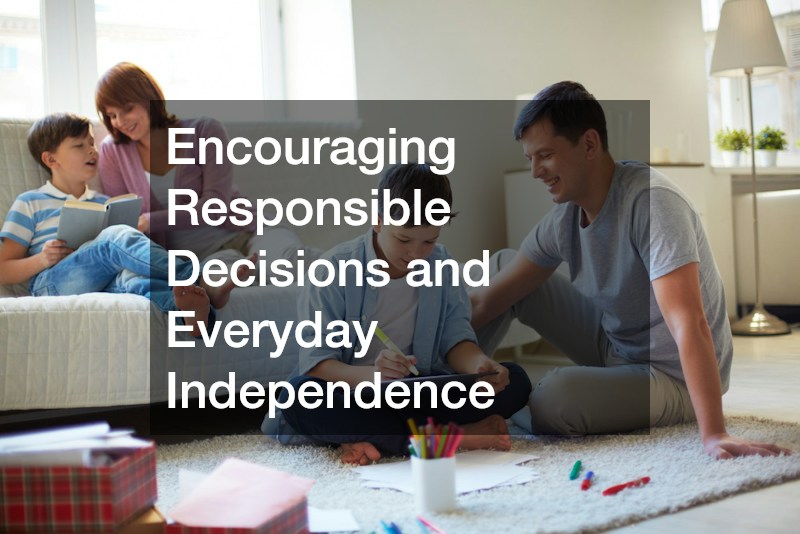
Encouraging Responsible Decisions and Everyday Independence
Family well-being also depends on the skills people develop as they take on greater responsibility. Children gradually learn to make decisions, manage obligations, and recognize potential risks. Parents can support this process by offering guidance while allowing age-appropriate independence.
For teenagers, learning to drive is one example of an important transition. Choosing suitable driving courses can help young drivers understand traffic laws, develop safe driving habits, and prepare for the responsibilities of operating a vehicle. Depending on local requirements, instruction may include classroom education, supervised practice, and behind-the-wheel training.
Parents can reinforce these lessons by discussing seat belt use, speed limits, distracted driving, and the dangers of driving under the influence. Establishing clear expectations before a teenager begins driving independently can help make safety a shared responsibility. Families should also review licensing requirements and restrictions that apply to new drivers in their state.
Responsible decision-making applies to adults as well. Whether evaluating a major purchase, choosing a healthcare provider, or considering a career change, it helps to gather relevant information, compare alternatives, and understand the potential consequences. Taking time to ask questions can prevent decisions based solely on pressure, convenience, or incomplete information.
Families can strengthen these habits by discussing goals together. Regular conversations about upcoming expenses, school activities, household responsibilities, and future plans give everyone an opportunity to contribute. Children can learn basic budgeting through age-appropriate allowances or savings goals, while adults can use shared calendars and household planning tools to coordinate responsibilities.
It is equally important to recognize that not every decision needs to be made collectively. Individual family members have different preferences, needs, and priorities. Respectful communication allows those differences to be considered while helping the household work toward common objectives.

Making Thoughtful Choices That Last
Creating a secure future does not require every decision to be perfect. Families will encounter changing circumstances, unexpected challenges, and competing priorities. What matters is developing a process for evaluating options, responding to new information, and making adjustments when necessary.
One practical approach is to divide major goals into manageable steps. A family focused on improving health might begin by scheduling overdue appointments and establishing a consistent exercise routine. A household concerned about its property could create a maintenance checklist and prioritize repairs according to urgency. Those preparing for the future might start by reviewing their budget, checking insurance coverage, or gathering important legal documents.
It also helps to distinguish between immediate needs and long-term aspirations. Essential repairs, medical concerns, and urgent financial obligations may require attention before discretionary purchases or cosmetic upgrades. At the same time, setting aside regular time for long-term goals prevents them from being postponed indefinitely.
Reliable information should guide important decisions. Official government resources, qualified healthcare providers, licensed professionals, and reputable educational institutions can help families evaluate their options. Comparing recommendations and asking questions can clarify costs, limitations, and expected outcomes.
Finally, families should revisit their plans as circumstances evolve. A child’s educational needs may change, an older relative may require additional support, or a new job may alter the household budget. Reviewing priorities regularly makes it easier to respond to these changes without losing sight of broader goals.
Making the right choices for a family’s health, home, and future is an ongoing process built on preparation, communication, and informed decision-making. By supporting education, maintaining healthy habits, protecting living spaces, strengthening financial security, and encouraging personal responsibility, households can create a more stable foundation for the years ahead. Every thoughtful step, no matter how small, can contribute to a healthier and more secure future for the people who matter most.